Interview: Fantasy author N. D. T. Casale

Hi friends, how’s life? Things are getting better every day here in the UK, public spaces are reopening and the weather has turned to full Spring, bringing the cherry blossom out on the trees.

This week, I want to introduce you to another lovely writer friend of mine, N. D. T. Casale.
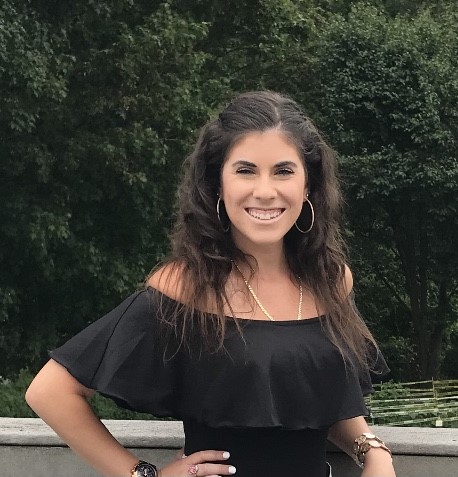
Hiya, thank you so much for joining me today! Why don’t you start by telling us a little about yourself, e.g. where you’re from, family, pets, hobbies, etc.

I live in the New England region of the United States. I am Italian-American and very proud of my roots. I have a love for learning languages. I am trilingual (I speak English, Italian, and Spanish), I am trying to learn French and I have aspirations to learn more languages. I like cooking and trying foods from different cultures.

I have a love for animals. I currently do not have any pets but I want dogs and horses in the future. In my free time I snowboard, ride horses, workout, dance, travel, and go on adventures. I am a bit of a fashionista, I have an obsession for shoes, makeup, and skincare products. Lastly, I have a love for mysteries, I like to give my brain a workout, and challenge myself by solving the crime. 

Gosh, trilingual, that’s so impressive! I speak English and Spanish, but I’m really rusty so don’t ask me to prove it! Have you always been a writer, and what inspired you to start?

I have been writing stories since I was a child. My family had a big role in nurturing my creativity. When I was little during summer break, my mother gave me a notebook to practice my writing. She would give me random topics and challenge me to write a story.  My dad and I read Harry Potter together and the book series drew me into the world of fantasy.

Lastly, I used to tell my sister stories I created myself before she went to sleep each night. This inspired me to envision magical realms and go on adventures. As I have grown my writing has blossomed into multiple books that I hope to publish in the future. 

You must have some wonderful memories of telling your sister magical bedtime stories and creating your own worlds as a child, it sounds like an idyllic childhood filled with books and magic! What are your favourite genres to read and write now?

My favorite genres are fantasy and mystery. 

Me too, I love fantasy, but my second favourite genre is definitely a good mystery, especially anything by Agatha Christie. I love the mixture of period drama and whodunnit. Can you tell us about your upcoming projects and works-in-progress?

Enchanted Waters is my first publication. I look forward to sharing The Arctic Mermaid and Sea Ghosts of the Isle with all of you. I have more novels that I am working on and hope to publish soon. 
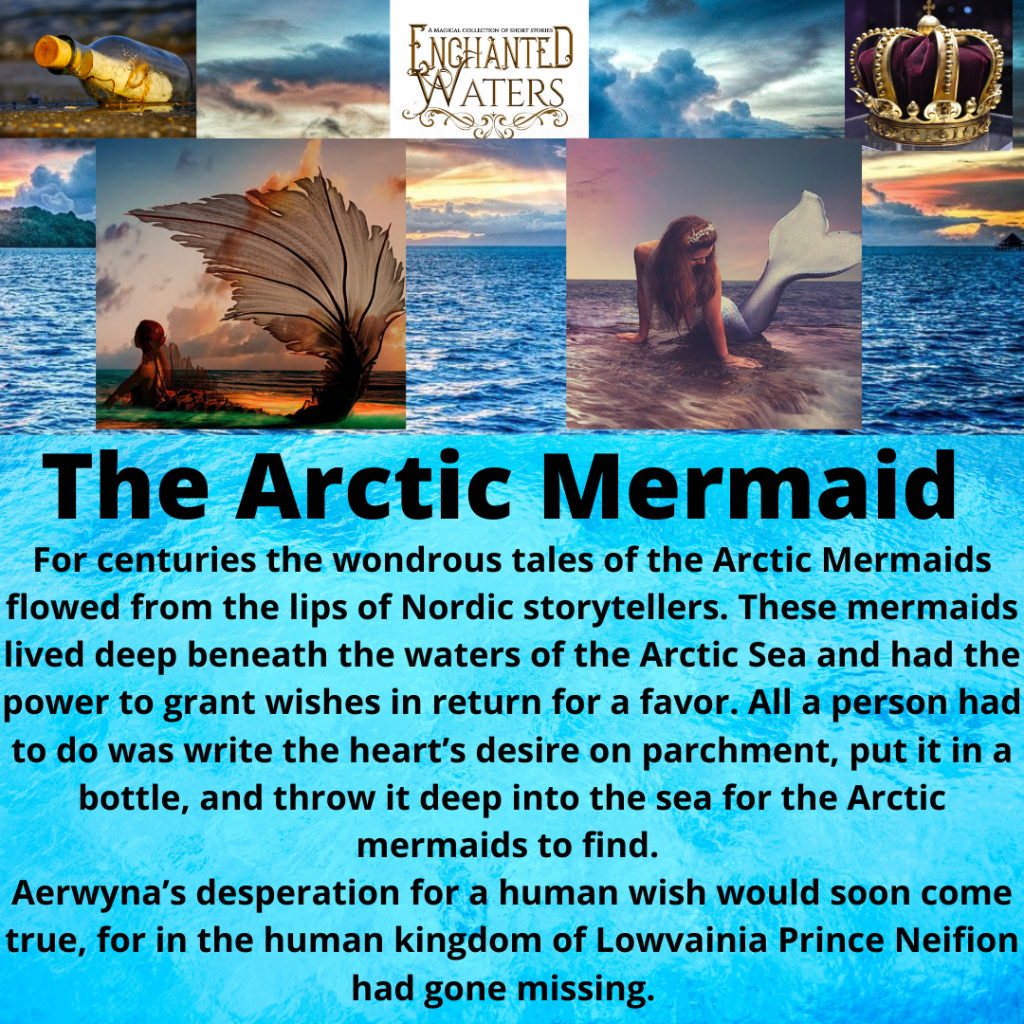
I’m so excited to read your stories in Enchanted Waters, and I can’t wait to see what you publish next. Where do you tend to find inspiration for your characters or settings? 

I find inspiration through life. The highs, the lows, the joys, the trials, the tribulations, the people, the feelings, all have a big influence in my writing. I love the quote “what we give power has power,” because being a writer gives us power.

In many of my stories, the situations my characters partake in mirror experiences I have gone through and what I have felt. Throughout my life there were times I did not like certain outcomes or I would wonder why something had to happen how it did. I will revisit those scenarios and emotions in my novels and rewrite it to have a better resolution. This helps me cope in a way.

Most importantly, I write for others. People are my inspiration. I incorporate characters of different walks of life, nationalities, races, and backgrounds in my novels because I want everyone to feel welcome in my books.  I hope that my stories can help people like myself who have gone through challenging times find hope again. I want readers to know they are not alone. No matter how challenging our lives can be, we can persevere. We can overcome, we are warriors, and we can find happiness again.

Lastly, many characters I magically create in my head. I wait for them to talk to me and tell me what to write.

I love that, life is the best source of inspiration, and it’s a beautiful gift to be able to make another person feel seen and understood. What are you working on right now?

I am in the process of revising my novel Sapphora: Shards of Secrecy. It is a fantasy story that combines sorcery and Egyptian Mythology. It is the first book in a trilogy.

Shards of Secrecy tells the tale of a young woman named Sapphora whose life is plagued by secrets. The secrecy begins when she discovers she is not a 19 year old college student. She is an 897 year old Egyptian princess, sorceress, and guardian of the Ankh for the magical realm of Avagodro. Avagodro is a parallel universe to Ancient Egypt. Sapphora’s memory has been wiped clean due to unknowingly consuming a magical potion for years. She has no recollection of her past life.

Sapphora discovers she is being hunted due to her failure to fulfill a prophecy. To make matters worse an evil foe is returning to Avagodro and seeks an ancient spell book that contains incantations of almighty control. In order to save the realm, Sapphora must navigate through a series of death challenges created by the Ancient Gods to protect the sacred book. As Sapphora continues to unravel the secrets of her past, she struggles with accepting her true self, who she can trust, and what to do when it comes time for her to battle evil to right the failures from the past.

I have more novels, short stories, and children’s books that I am in the process of creating. 

Wow. That sounds incredible! I haven’t read any fantasy novels inspired by Ancient Egypt, I can’t wait to read it! What one piece of advice would you give aspiring authors? 

Truthfully I still consider myself to be in the early stages of authorship. I am learning so much yet I still have a lot to learn. Advice I would give to others is write from your heart, believe in yourself, and believe in your writing. Never let anyone try to change your style. Get involved, join groups on social media, and talk to other authors.

Lastly, do your research, there are many steps to publishing a book that I never knew existed. Take your time and go at your own pace. 

That’s great advice, it’s so important to be yourself and take as long as you need to write, edit and publish. It’s not a race, and we all have different speeds and are on different steps of the publishing journey.

Thank you so much for chatting with me today, it’s been so lovely getting to know you better! How can we find out more about you and your books? 

Instagram: @ndtcasale  (https://www.instagram.com/ndtcasale/

Bookbub: https://www.bookbub.com/authors/n-d-t-casale 

Goodreads: https://www.goodreads.com/author/show/21051236.N_D_T_Casale 


I hope you enjoyed getting to know N. D. T. Casale as much as I did! How amazing does Sapphora: Shards of Secrecy sound?! You can read The Arctic Mermaid and Sea Ghosts of the Isle in Enchanted Waters from 16 July, along with 8 other magical short stories about fantasy water creatures.

Interested in getting your hands on a free ARC in exchange for an honest review?
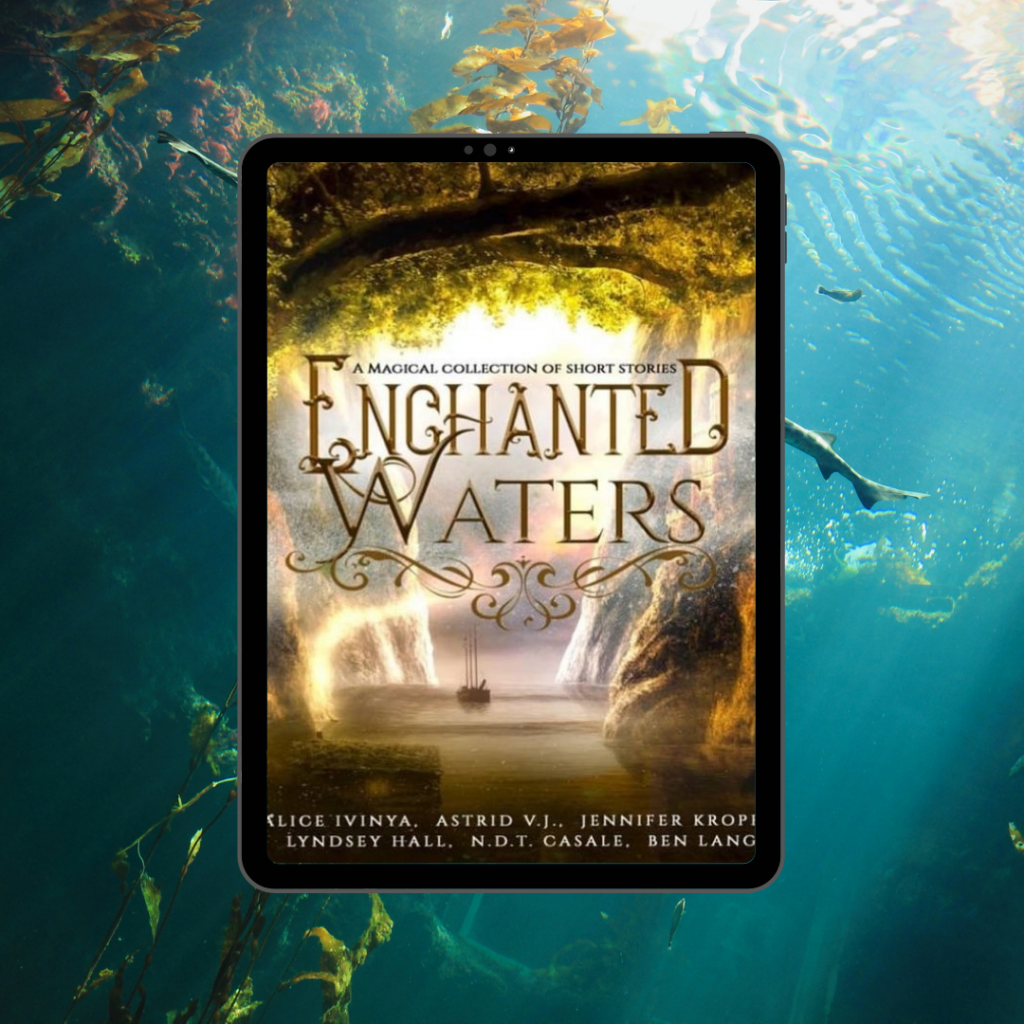
Join our street team!

You’ll receive two exclusive short stories by EW authors just for joining, and when we reach 100 members in the private Facebook group you’ll be entered into a huge giveaway to win a stack of fantasy ebooks and short stories!

Click here to fill in the Google form and join our street team.

Lyndsey

x

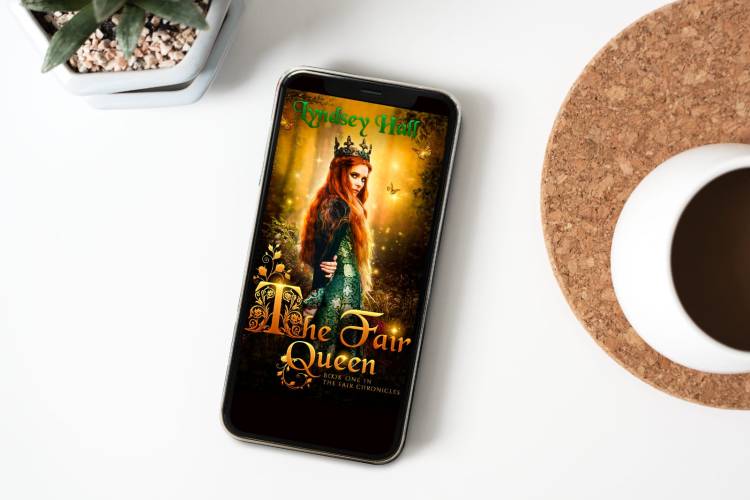
ARCs of The Fair Queen now available!

Less than 3 weeks to go until The Fair Queen is published! I got the finished ebook and paperback files back from my interior formatter and cover designer today and it is so beautiful I could cry. I uploaded them to KDP immediately and ordered my proof copy of the paperback so I can check for any errors before the hard copies go on sale. I can’t wait for it to arrive next week!

The Advance Reader Copies of the ebook are now available on Booksprout, so head on over if you’d like to claim a copy in exchange for an honest review. There are only 14 left so get it quick before they’re gone and you have to wait until publication day!

I’ve been sharing snippets and aesthetics over on my Instagram page for a while, so you can follow me there if you’d like to find out more about the Fair and their realm before you dive into the story. This is the latest snippet I shared:

“Xander, tell me the truth.” She tried to appeal to the boy she saw underneath. Not the crown prince, not the soldier, the boy who looked at her with such intensity it felt like a caress. Or a blow.

The Fair Queen by Lyndsey Hall

There’s still time to enter the preorder giveaway too, so if you’d like to get your hands on a signed paperback, a TFQ bookmark with custom character art by Lina Amarego, and a digital prologue, then all you have to do is preorder the ebook and send proof of purchase to my email me@lyndseyhallwrites.com or DM a screenshot to me on Instagram.

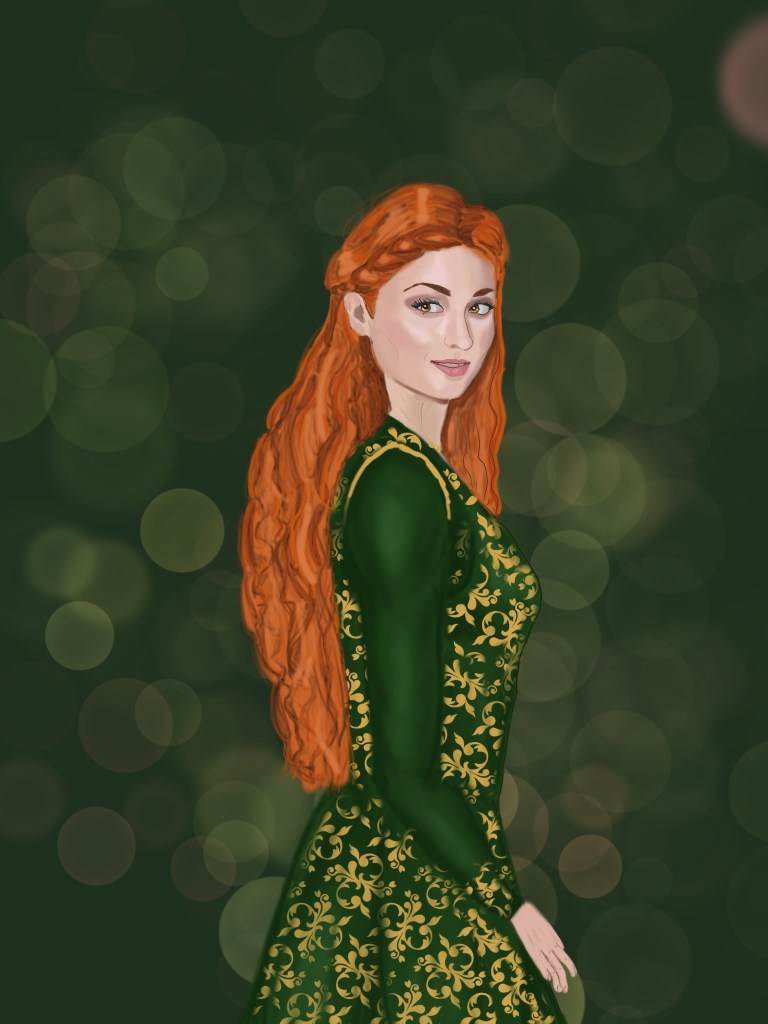
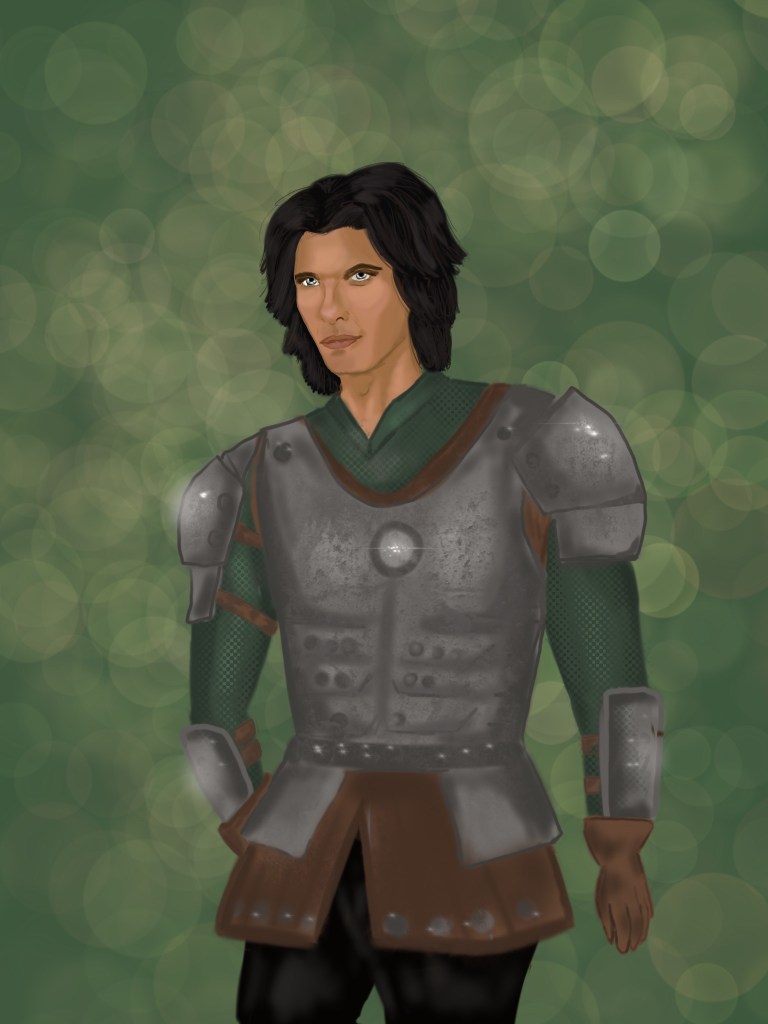
Here’s the beautiful character art in question:

How gorgeous are they? Aria and Xander, as modelled by Sophie Turner and Ben Barnes (natch).

You can preorder The Fair Queen on Amazon Kindle now, and in paperback very soon. And you can add it to your Goodreads shelf here! I’m also answering reader questions over on my Goodreads page so feel free to ask me anything! And there’ll be some fun and games in the week running up to 31 August on my Instagram so you’re very welcome to pop by and see what’s happening in a couple of weeks.

Thank you for all the love and support The Fair Queen has received so far, you’re the best and I can’t wait to finally share Aria’s story with you.

Lyndsey

x

Traditional publishing vs. self publishing

Happy New Year! I know I’m a little bit late, but I hope 2020 brings you lots of happiness and success, especially if you’re querying or plan to self publish a novel this year.

2019 was a particularly challenging year for me, for so many reasons, and some of the struggles aren’t quite over yet, so 2020 should be a pretty interesting and exciting year. I’m hoping to be in a completely different place by the end of this year (physically and mentally), I’ve got some big plans that I’d like to pay off in the next 12 months, and I’m going to need some accountability. Which is where you come in!

I’m not a huge fan of resolutions, but I do have a few intentions for the coming year, and the main one relates to my writing.

In 2020, I’m going to publish my first novel, The Fair Queen.

I’ve decided to self publish instead of pursuing traditional publishing any further, for several reasons. I haven’t decided on an exact date yet, as I need to complete another round of rewrites, send the manuscript to a professional editor, and give it a good polish before it’s ready for publication. I’m aiming for September, but as we all know, things happen and plans change, so I won’t announce an official release date until I’ve at least engaged an editor, in case their schedule doesn’t quite fit with a September launch.

So, I thought I’d explain why I’ve decided to go down the self publishing route. I’m going to weigh up the pros and cons of both self publishing and traditional publishing, as there are definite benefits to both, it’s just about personal preference and circumstances really, so don’t worry, I’m not just going to try and convince you that self publishing is the best option for everyone.

Let’s get started, shall we?

What’s the difference between traditional and self publishing?

In a nutshell, traditional publishing means a publishing house buys the rights to your book, and then they take on the cost of printing and (some) marketing of your novel. The publisher pays you an advance, which they then recoup from sales, and once that’s been paid back you start to earn royalties. Your agent gets a cut too, usually around 15%.

With self publishing, the upfront costs of printing and marketing your novel all fall on you, but once the book starts to sell you won’t have to split the profits with anyone – except perhaps your sales agent, e.g. Amazon.

And that’s pretty much it. Except, obviously there are a million and one other little things that tip the scale in either direction, depending on your specific circumstances and needs.


The pros and cons of traditional publishing

The number one benefit of traditional publishing is access – access to the best editors and cover designers in the business, access to a much larger market of buyers thanks to a big marketing budget/team and contacts in every major bookstore. Access to information and knowledge that takes years to amass, and thousands of pounds (or dollars, euros, etc.) spent on degrees and courses, membership to professional organisations, and everything else it takes to be at the top of your professional game.

The other main benefit is, of course, the money, as you won’t pay a penny up front and will actually be paid a lump sum for your hard work, before any books have even sold.

Unfortunately, book advances aren’t quite what they used to be (what industry hasn’t had to make cuts?), and they’re normally paid in 3 instalments – the first on signing the contract with the publisher, the second on delivery of the completed manuscript, and the third on publication. And, as we all know, publishing is a very long process, so these payments could be a year or more apart. So even if you were lucky enough to receive a £50,000 advance, you won’t receive it all in one go, and if you’re a full time writer or decide to quit your 9-5 on receiving your book deal, you might struggle to pay your usual outgoings if you rely on your book advance alone.

But, on a positive note, once you outsell your advance, you’ll start to receive royalties. Only a small percentage of books ever actually outsell their advance, and when they do, royalty cheques are usually only paid twice a year, so there could be a six month stretch between each payday. (Here’s a great article on book advances and royalties.) In short, until you’ve published several books and can command large advances, and are bringing in a good amount in royalties, you might want to keep your day job to make sure you can afford to eat and pay the bills.

Some authors are very open and honest about the publishing industry and the money they receive for their books. Mackenzi Lee (author of The Gentleman’s Guide to Vice and Virtue) often does Q&As on her Instagram Stories where she answers questions from readers and writers looking to publish, she’s definitely worth a follow (and if you haven’t read her books, I’d 100% recommend them!).

Even if you do get a book deal with a major publishing house, and they decide to invest some of their marketing budget in selling your book, you won’t be guaranteed a book tour, or a stand at YALC, or any advertising. You might find that you still have to organise and pay for these things yourself, if you choose to do them. You’ll likely have to pay for your own travel and accommodation if you do book signings and readings or attend festivals.

If you want to encourage pre-orders (a huge factor in whether a book is successful in its first week, effecting the author’s future advances etc.) you’ll probably have to organise your own pre-order offer, whether that’s a free enamel pin or a postcard with a character portrait you’ve had commissioned.

These marketing methods are all optional, but if you want your book to succeed and outsell its advance, and to improve your chances of selling your next book to a publisher, you will have to play a part in marketing it yourself.

(My day job is actually in marketing, so I’ll do a whole post on book marketing soon and link to it here when it’s live.)

For me, the biggest negative against trad-publishing is that you’re no longer able to write whatever you want. If you planned a trilogy but book one has poor sales, your publisher may not buy book two. You might have a brilliant idea for a space-western-thriller, but if your agent and publisher hate it there’s no point in writing it (unless you decide to do it in your spare time for fun or bonus free content – but now that writing is your job you won’t have as much time to write for fun/free, sadly).

Ultimately, there are some huge pros to traditional publishing, you’ll have the support and assistance of entire teams of qualified and experienced people, and you won’t have to worry about cover design, formatting, getting your book into shops or on Amazon, plus you’ll start earning money almost straight away. If you can get through the query trenches and find an agent, and get a publishing deal, it’s definitely worth taking the offer of traditional publishing, if only for the exposure you’ll receive and the contacts you’ll make. Just remember that it’s not all easy-breezy and wonderful, and you might not make as much money as you always imagined – especially not from your first book. Go in with your eyes wide open, and you could become hugely successful as a traditionally-published author.


The pros and cons of self publishing

Self publishing is the DIY option for getting your stories into the world, and that comes with lots of positives as well as a few negatives. First of all, you have complete control over what you write, your book’s title and cover, how much it costs for readers to buy and whether it becomes a six book series or remains a standalone. You get to decide when it’s released, where it’s available to buy or download, and how it’s marketed.

Unfortunately, this also means that you’re solely responsible for doing and funding all of the above. Which means spending a lot of time reading and researching, whether it’s genre standards your novel will need to fit, such as length and style, or cover design basics (your book should sit well next to others in its demographic and genre, so you’ll need to maintain certain elements of cover style to look like your book “belongs”, whilst also standing out enough to be picked).

You’ll either have to learn how to format your novel and convert it to the right file format, or pay someone else to do it for you. You’ll need to learn about publishing platforms and chose the right one for you, and decide whether to publish just an ebook or offer a print version too, via a Print-on-Demand service. Amazon’s Kindle Direct Publishing is probably the easiest and most well-known option, but you may also want to get your book into physical shops, and, you’ve guessed it, that all comes down to you with self publishing.

Ingram Spark, the other well-known self publishing service, will make your book available to book stores and libraries, but they have to know about it and request it, so you’ll still need to get the word out there about your book yourself.

You might have seen other books with cool features, such as maps, custom character artwork, quote prints and enamel pins, book trailers and fancy online ads where elements of the cover art appear to move. And there’s no reason why you can’t have any or all of these things, but unless you learn how to design and create them yourself, then you’re going to have to pay a professional to do it for you, and the cost of design and production can be prohibitive when you’re just starting out and haven’t made a penny from book sales yet. Fiverr is a good place to start, or search on Instagram and ask for recommendations from your online author friends.

You may need to build an author website, create a presence on certain social media (Twitter and Instagram have the biggest bookish communities), maybe even start a blog or email newsletter in order to reach your audience and build a readership. These can all be done completely free, but your time is your most valuable resource and you don’t want to waste it on marketing efforts that may or may not work for you.

Have you noticed I haven’t mentioned writing yet? Let’s assume that you’ve got a pretty solid book written already, it’s got a beginning, middle and end and an appropriate word count for your genre. (Here’s a great blog post on word counts by genre). In order to make it the best book it can be and get it ready for publication, you’ll need to get as many eyes on it as possible, and not just any old eyes, but other writers, readers who know and love your genre, and professional editors. (I wrote a post a while back about alpha and beta readers and critique partners, give it a read if you’re not sure which kind you need.) The only one of these that should cost you money is a professional editor, but I wouldn’t recommend skipping this step unless you yourself are a trained editor, and even then there’s definitely going to be something you miss as the author that another skilled editor will pick up on.

The most important thing a self published author needs is a community, as you’ve missed out on the all-important access that traditional publishing offers – you need to build a network around you of other writers, especially other self publishing authors who can support and advise you along the process. You want to find other writers in your genre to share manuscripts with and offer critiques and feedback, to recommend great editors, cover designers and marketing professionals, to you. To celebrate and commiserate with through the ups and downs, to share each others books and help spread the word to your audiences, and to become lifelong writer friends.

In summary, the biggest pro of self publishing is the freedom – deciding what to write and when to publish it, without falling prey to the whims of agents and publishing houses. And the biggest con is that you’ll have to do it all by yourself, or part with your hard earned cash to get professional help.


What is hybrid publishing?

In recent years, as self publishing has become so much more accessible, there has been a growing trend in hybrid publishing. As you can imagine, hybrid publishing refers to a combination of both traditional and self publishing. For example, an author who has a traditional publishing deal for an ongoing series of crime thrillers may also love writing cosy mysteries, but their publisher doesn’t want to damage the brand they’ve built up in the author’s name, so they won’t publish the cosy series. The author may choose to self publish, possibly even under a pseudonym, as long as it wouldn’t impact on their publishing deal.

Some authors start off as self publishers, but are eventually discovered by an agent or publisher who loves what they write and offers them a contract. They might continue to publish some books themselves whilst also writing for the publisher, or they may leave their previous publications up and go fully trad-pub, having gotten their big break as a self-pubbed author.

Whichever way it works out, hybrid publishing may be the best option for a lot of writers. Say you have an idea you know the big publishing houses are desperate for right now, you could write and query that, whilst self publishing the strange little story that whispers in your head at night, but that you know no agent or publisher will want to touch. There are almost no limits to hybrid publishing (as long as you keep to any contractual terms and conditions), so it’s worth considering when deciding whether to trad-pub or self-pub – you don’t have to choose just one!


Now you know the basics of traditional publishing, self publishing and hybrid publishing and can make an educated decision when the time comes to send your words out into the world. Let me know how you plan to publish, or if you are already a published author then how you decided which way to go!

Lyndsey

x