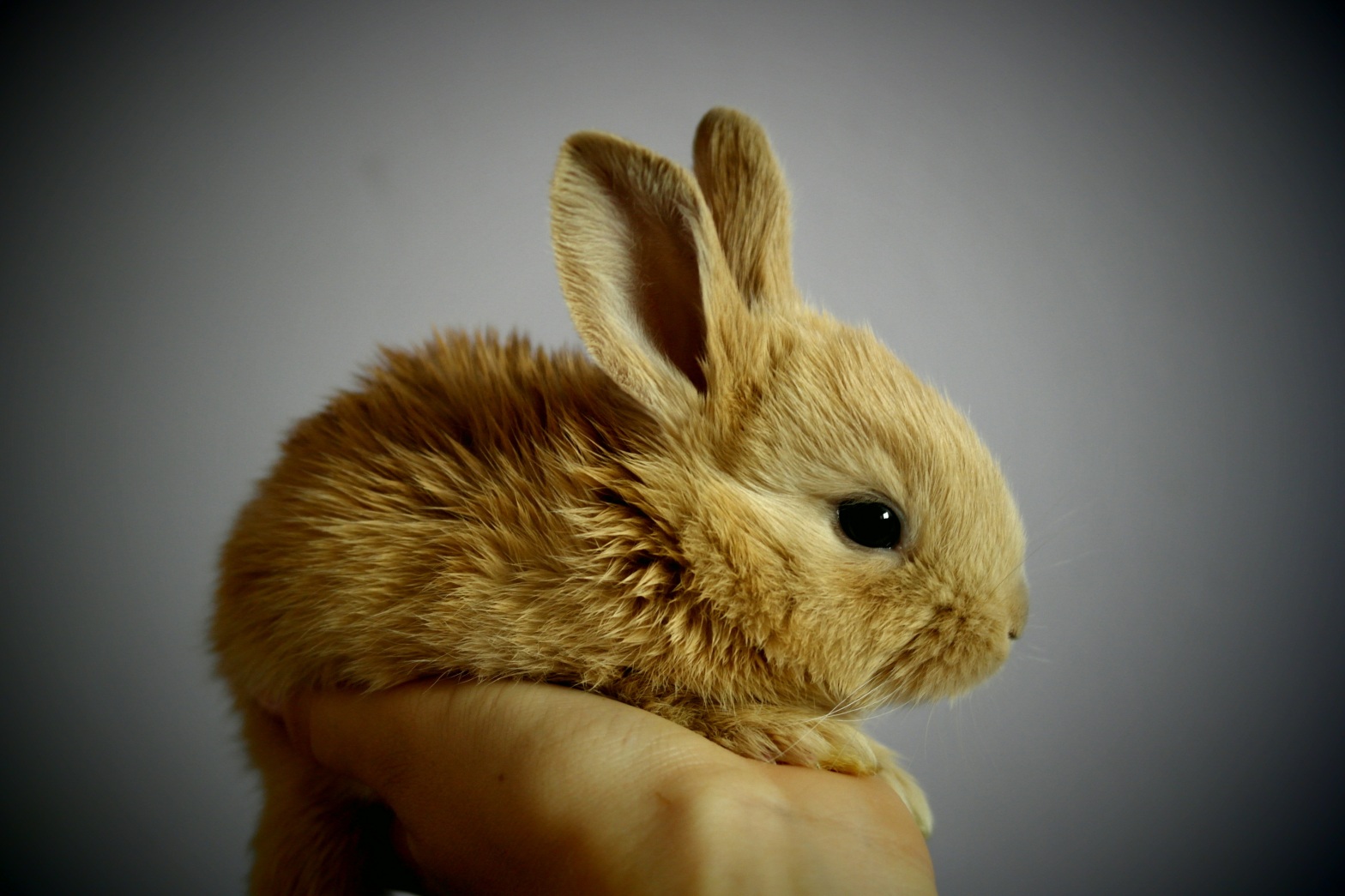
Caring for plot bunnies

In today’s post, I thought I’d talk about something we have all done battle with at some point in our writing lives – plot bunnies.

We’re well into week three of Camp Nano, and I’m just under halfway to my goal of 35k words of draft two for The Fair Queen. So, naturally, I’m being besieged by plot bunnies.

Now, the most important thing when you’re in the middle of a big project is to not let the plot bunnies distract you from your work. You might be losing momentum, struggling to stay motivated and finding your current work-in-progress boring – we’ve all been there! But, writing isn’t all about the shiny and new sparks of inspiration, sometimes it’s about hard work.

That said, what do you do when a brilliant idea pops into your head whilst you’re busy working on something else, or not in a position to sit down and start writing?
Caring for plot bunnies.png

Make a note

If you’re a smart and sensible writer and human being, you will have one of two things within reach at all times – a notepad or a mobile device. If not, grab any stationary surface and inscribing implement (your sleeping cat’s back and an electric razor are not recommended).

Write it down.

It doesn’t matter if it’s a 300 word synopsis or a single phrase, write that idea down right now. You will not remember it when you come to sit down and write later, I can almost guarantee it. How many times have you been to the supermarket and thought “I won’t make a list, I know what we need”, and come home with everything but the one thing you went for? It’s not just me. Write that line of dialogue/character name/plot twist/cover design idea down.


Make it legible

Hands up if your handwriting is terrible? Some of you are probably thinking “I’m a writer, my handwriting is carefully crafted calligraphy, how very dare you”. Well, I’m not one of you, and I’m sure I’m not alone. There have been many times when I’ve come to read my own handwritten notes, usually quickly scribbled, and had no clue whatsoever what they said. Don’t let this be you, do not waste your beautiful plot bunnies by scrawling your notes in chicken scratch that not even an FBI handwriting expert could decipher.

Write in all caps if that helps you to read it later, draw a picture if it’s easier than describing your mental image. Just make sure you will know what the hell you were talking about later.


Proper care and feeding of plot bunnies

It goes without saying that you should keep track of all your notes, use a separate page or document for each project or for ideas that have no specific purpose as of yet. This will help when it comes to raising your plot bunnies into fully grown WIP rabbits (I just made that up, can you tell?).

If you’re between projects, or need a break after completing a first draft or round of edits, then now’s the time to whip out your notes and get turning those plot bunnies into fully-formed ideas. Lay out all your notebooks and open your phone or laptop to your document of notes (I use OneNote on my phone, it syncs to my laptop so I never lose any ideas). Now start trying to connect words and phrases together to make a story concept.

Maybe you’ve scribbled down a couple of great character names, pop them into Google and see where they originate from, which era they suit best, and what characteristics they are associated with.

If you’re a visual person and have a collection of photos saved in your phone why not mine these for potential locations, architectural details and scene prompts? Then, see which of these might fit together with your other ideas. Maybe you’ve got a photo of a gorgeous sunset over a plaza in southern Spain from that holiday three years ago, an elaborate fountain from a Turkish bath, and a dress you’ve always dreamed of buying – could you combine these ideas to create a scene, or even an entire story?

If you take care of your plot bunnies, they’ll take care of you by providing endless inspiration for new writing projects.


Hunting those wiley wabbits

Not sure how to get started collecting plot bunnies? It’s really simple, you just need to make it a habit to write down any little sparks of inspiration you get throughout the day. Carry a notepad and pen, even if you always have your phone on you – for some just the action of handwriting a note can set the muse free.

When you’re out and about, take notice of the little details around you and take a quick photo or jot down a word or two. Listen in on other people’s conversations (subtly, don’t be that guy) and write down any turns of phrase you like or find interesting, record accents you want to use or even steal plot points from real people’s lives. You’ll be amazed at the places inspiration can spring from if you just open your eyes and ears and pay attention.

And there you have it, you’ll be farming an entire herd of plot bunnies in no time, and you’ll never struggle for something to write about. What are your tips for finding inspiration and keeping track of all your ideas? Give me your advice in the comments, I’d love to hear how other people do it!

Lyndsey

x

Caring for plot bunnies Lyndsey's Book Blog

Camp Nano week one

It’s day seven, week one is over, and we should all be a quarter of the way to our goals. How are you doing? Smashing it already? Slowly building up to a last minute sprint?

As I’m off to sunny Turkey tomorrow for a week of eating, drinking and reading, I’ve been overshooting my daily word goals (1,167 per day) to try and stay a week ahead of target. Rather than leave it to the last week to catch up, I wanted to prepare in advance, allowing for any unforeseen circumstances that might prevent me from smashing out 20k words in the second half of the month. (In November, I started strong and tailed off, ending up with only 35k words, so I wanted to take advantage of my initial focus this time.)

I’m working on my rewrites of The Fair Queen, which I wrote most of the first draft for during last November’s NaNoWriMo. I had a head start because I was already part of the way through draft two, meaning that if I reach my target goal of 35k I should have draft two finished by the end of April. That means it’ll be time to send it out to beta readers before the next stage of editing!

If you’re up for beta reading a YA fantasy which is a cross between The Chronicles of Narnia, The Remnant Chronicles and Tamora Pierce’s Immortals, then send me an email!

Camp Nano week one

Curly blog divider

Daily Stats

1st – 1,876

2nd – 2,601 | total: 4,477

3rd – 1,698 | total: 6,175

4th – 530 | total: 6,705

5th – 1,441 | total: 8,146

6th – 1,115  total: 9,261

7th – 0 (what with work, packing for holiday, and scheduling blogs I haven’t had a spare minute to write today! Maybe I’ll churn out a few words before bed, wish me luck!

Week One Total: 9,261

How has your first week of Camp Nano gone? What are you working on? Let me know in the comments!

Lyndsey

x


Camp Nano week one stats Lyndsey's Book Blog

Crafting awesome characters

Today we’re talking about creating characters, but first I just want to remind you that you can get the first 3 chapters of my novel, The Fair Queen, by clicking here.

With that shameless plug done, let’s take a look at the basic principles of creating characters for your stories.


Creating awesome characters.png

What is their role?

This is usually a good place to start, your characters all need to serve the story, or you’ll just end up deleting them or merging them with another character later. Roles include:

Protagonist

Your leading lady/man/person/creature, etc. (I write fantasy, my MC could be literally anyone or thing.)

Examples: Harry Potter, Bilbo/Frodo Baggins, Katniss Everdeen.

Antagonist

The evil baddie. (This can also be a thing, an illness, a multinational corporation, or your protag might even be their own worst enemy!)

Examples: Voldemort, Sauron, President Snow.

Sidekick

Your main character’s best buddy/loyal pet/apprentice…

Examples: Ron Weasley/Hermione Granger, Samwise Gamgee, Gale Hawthorne.

Mentor

A teacher or parent – someone older and wiser than your MC who imparts knowledge.

Examples: Dumbledore, Gandalf, Haymitch Abernathy/Effie Trinket.

Love interest

Not every book has a romantic element, but there is often a love interest, whether or not they actually end up together. We fangirls do love a good ship!

Examples: Cho Chang/Ginny Weasley, Peeta Mellark.

Those are your five basic character types, you can pick and choose from them and dress them up any way you like, but most stories will have at least two or three of these, as well as a cast of minor supporting characters.

Curly blog divider

What is their name?

Some people do this last – even going so far as to call a character ‘X’ throughout their first draft because they haven’t chosen a name yet – but I like to do it first. Names are really important to me, the books I grew up with and loved almost all had characters with meaningful names, for example, every single name in Harry Potter was meticulously researched by J.K. Rowling, and chosen to fit the character’s personality, back story or future purpose.

Check out baby name websites and scroll through until you see something you like, they’ll often have a few ‘similar names’ or ‘names people also liked’, so even if it’s not the one it might help you find it.

Personally, I google ‘names meaning xyz‘ and trawl through the lists of names from various nationalities and cultures that mean what I want it to mean.

For The Fair Queen, most of the names are traditional, old-fashioned British names, because that’s the vibe I was going for with the whole fictional world I created. I did the same with place names, googling the meanings of words and their roots, and putting them together to create new place names that accurately describe the terrain or location. It’s just a fun little easter egg for anyone who takes an interest in that kind of thing, whilst really adding to the authenticity of the book (I hope).

Curly blog divider

What motivates them?

Now that you’ve given your character a purpose and a name, you need to decide what is driving them to commit the acts that they do in your story.

  • Is it love? Ambition? Jealousy? Greed? Fear?
  • Do they want to be rich? Famous? Happy? Successful? In a relationship? Single?
  • Are they seeking vengeance? Justice? Approval?

Every single one of your characters needs a clear motivation (at least, it should be clear by the end of the book). It will not only make their actions more credible for readers, but also give you, the writer, a context for your characters’ reactions. When something happens in your story, you’ll be able to look at your character’s list of motivations (yes, they can have more than one) and know that he would get mad in this situation, or she would go very quiet rather than shouting and screaming. He would beg for his life, or she would die for what she believes in. You get the idea.

You want the characters’ behaviour in the book to be believable, but not boring or predictable. Don’t worry, you can still surprise your readers occasionally! For example, fear makes people do unpredictable things at times.

Also, don’t be afraid to let your characters learn from their experiences throughout the book, and change their reactions accordingly. The aim is to show their personal growth and development in a gradual, natural manner that will satisfy your readers.

Curly blog divider

What are their vices & virtues?

Your characters need positive attributes to help your readers root for them, but if they’re too perfect you risk annoying readers. Pick a few positive traits (their appearance doesn’t count here), and then counterbalance them with a handful of flaws, to make your characters appear human, fallible, and relatable.

Your MC might be confident and quick-witted, but clumsy and stubborn. He could be physically weak and bear a grudge, but incredibly talented musically. She might be an animal lover (always a positive, who doesn’t love an adorable puppy?), but she smokes and bites her nails. He might be vain and superficial, but is great with kids and has a big heart.

Pinch ideas from people you know, or books and TV shows you love. Is your mum a great cook, but eats by scraping her food off her fork with her teeth? Does your best friend always know exactly what to say when you’re feeling down, but has the absolute worst taste in men/women? Don’t plagiarise your friends and family completely, chances are they’ll recognise themselves when they read your book and probably won’t appreciate you telling the world about their quirks and weird habits.

Curly blog divider

Using your characters to further the plot

Just like you used your character’s role in the story and personal motivations to help develop your plot, you should also use their vices and virtues.

The best piece of advice I’ve seen online was that your characters should have two conflicting aims or desires – one that helps them towards their goal, and one that holds them back. The essence of any good story is conflict, without it your book will be lifeless and dull, but it’s really easy to inject a little conflict into every chapter. It doesn’t have to be major, you should have your main conflict that builds throughout the book and climaxes towards the end, but each scene or chapter should have either a small, unrelated conflict, or a new revelation about the big one.

For example, in The Fair Queen, Aria dreams of getting out of her small town and finding adventure in the big wide world, but she loves her parents, her dogs and her best friend and doesn’t want to leave them. In some ways, she’s afraid to try in case she fails, she wasn’t the best at school and thinks she’s never going to make anything more of her life. She discovers that she’s the daughter of a fairy king, destined to be queen, and she struggles to reconcile the life she’s always known with the life she’s only just discovering.

She’s impulsive and reckless (teenagers, eh), but when she realises that the Fair people need her, that there is a prophecy that says she will end the war and bring peace to the realm, she starts to feel a sense of duty and moral obligation, and more importantly she wants to do whatever she can to help.

There’s a lot of debate about whether the best stories are plot or character driven, but both are essential to creating a really great book. It’s up to you which will really drive your story. You should put as much time and effort into crafting your characters as you do your plot outline. Give your characters agency, don’t just let them be dragged along by the story without really affecting events.

If you want more on creating really awesome characters, I can wholly recommend Kristen Kieffer’s blog, Well Storied, and her collection of articles about writing strong characters.

What are your suggestions for creating three dimensional characters that readers will relate to? Who are you favourite fictional characters, and why? Tell me in the comments!

Lyndsey

x

Curly blog divider

Currently Reading

Paperback

The Shadow Queen by C.J. Redwine

I plan to finish this by next weekend when we jet off to Turkey for a well deserved holiday. I want to take three books away, but I haven’t decided which yet, I’m thinking Wintersong, Prince of Thorns and The Diabolic.

Audio book 

The Night Circus by Erin Morgenstern

I haven’t started this yet, but I finished And I Darken the other day (review coming soon). I’ll start this week and probably finish whilst I’m away. I’ve also got Nevernight in my Audible library, so that’s what I’ll be listening to next.


Current word count: 44,761

Looking forward to Camp Nano starting tomorrow! Hoping to write 35k words in April and finish draft two.


Crafting awesome characters Lyndsey's Book Blog