Rereading for writers

Welcome back to my blog folks! Today, I thought I’d return to my reader roots, because as Stephen King says:

“If you don’t have time to read, you don’t have the time (or the tools) to write. Simple as that.”

One of the difficulties of being a writer is that reading can start to become more like work than pleasure. You notice things like sentence structure and word choice more than you did before, studying the writing instead of allowing yourself to be absorbed in the story. You might even compare the author’s abilities to your own, and either wind up struggling with feelings of inferiority or wondering how this book was chosen to be published while your infinitely superior manuscript languishes on the slush pile.

If you read within your own genre, which you absolutely should, then you’ll undoubtedly come across similarities to your own WIP, and you might find it discouraging. Ultimately, there’s nothing completely new or original in this world, it’s all about the different twist or spin you put on it, but it can definitely be worrying to read a book with several of the same themes or tropes as your unpublished manuscript. Don’t let it put you off querying, remember that book was written years ago if it’s just been released, and if you get a publishing deal it’ll be years before your book comes out too.

Reading as a writer doesn’t have to be a negative experience though, in fact it’s probably the single most positive thing you can do for your own craft. The way to get around the compulsion to study the writing and scrutinise the story is to reread.

If you’ve seen About Time, the absolutely delightful movie with Domhnall Gleeson, Rachel McAdams and Bill Nighy, then you’ll remember that Bill instructs Domhnall to use his time travel ability to make the most of every day by living it once as normal, and then going back to live it again, but noticing all the wonderful minutiae that we miss as we hurry through our lives. This is my advice to you for rereading.

Allow yourself permission to read the book once through and simply enjoy the experience – speed through it if you can’t wait to see what happens, luxuriate in it if the prose is deliciously lyrical. Just read it as a reader, safe in the knowledge that you will read it again with your eagle vision switched on.

On your second reading, really pay attention to the author’s style. Maybe even grab a notebook and scribble down your favourite words and phrases, or if you’re into book defacing (you monster!) take a pencil or highlighter to the text. Notice all the clues the author dropped throughout to the conclusion, pick out thematic elements and recurring imagery. Really learn from the experience and take away as much as you can from it, using it to strengthen and expand your own writing.

You could even listen to the audio book as well as reading the print version, as you’ll notice different things from each – just like when you copy your manuscript into a text-to-speech app to hear it out loud and pick out any mistakes or unwieldy sections.

Reading as a writer is an excellent tool for improving your skills, but rereading can be even more useful and beneficial, allowing you to enjoy the experience as well as learn from it.


Do you reread books? Which book have you read the most times, mining it for literary gold? Returning to an old favourite feels like coming home, personally I can’t wait to read the Harry Potter books to my little boy, they’re some of my favourites and hopefully will be his too.

See you next time!

Lyndsey

X

Top ten series I started and haven’t finished (yet)

I’m jumping back into the Top Ten Tuesday club this week, one of my favourite things about TTT is that you don’t have to take part every week, you can dip in and out when the topic takes your fancy, or – like me – you finally get a minute to type! TTT is a blog meme hosted by Jana @ That Artsy Reader Girl where we pick ten books or series on a different theme each week. This week it’s Top Ten Book Series I Gave Up On/Don’t Plan to Finish.

I’m going to split my list into series I don’t plan to continue reading, and ones I do but haven’t gotten round to yet, because, you know, life.

TTT-NEW

Book Series I DNF’ed

Red QueenMaze Runner  Percy Jackson and the Lightning Thief Red Rising by Pierce Brown Prince of Thorns Mark Lawrence Me Before You

  1. Red Queen by Victoria Aveyard

    1. I still wonder whether I should just bite the bullet and read War Storm, it’s incredibly frustrating DNFing a series on the penultimate book! But I just couldn’t get on with Mare, and I enjoyed each book less and less, so I decided to cut my losses and just stop reading the series. If anyone’s read War Storm and wants to tell me how it ends please do in the comments – just leave a spoiler warning in case anyone else hasn’t read it yet!
  2. Maze Runner by James Dashner

    1. I read books one and two in the Maze Runner series, book two took me months to finish and I really didn’t enjoy it, so despite the fact I’d bought the entire boxset, I quit reading after Scorch Trials. I might watch the last two movies just out of curiosity, but even they aren’t great in my opinion. I was gutted I didn’t love this series because so many people online raved about it. Oh well, different strokes and all that.
  3. Percy Jackson by Rick Riordan

    1. Sadly, I think I just came to this series too old, which is heartbreaking because I bet I would have really loved it at sixteen or younger. I enjoyed book one, but with so many other books out there I didn’t love it enough to commit to the rest of the series and all the spin-offs Riordan has written. I’d definitely recommend it if you’re into MG though!
  4. Red Rising by Pierce Brown

    1. This is one series I heard nothing but good things about, everyone seems to love Red Rising, and it was good, but I just didn’t click with it the way I wanted to. This one isn’t a never, but with new books coming out every month that I can’t wait to read I’ll probably never get around to reading the rest of this series. Unless you really think I should? Is book two way better than book one? Let me know in the comments if you think I should persevere! To be honest, I wonder if it was the narrator I didn’t mesh with, as I listened to the audiobook…
  5. Prince of Thorns by Mark Lawrence

    1. Unfortunately, the reason I DNFed King of Thorns halfway through was because it was a library book and I had to return it as I’d already extended it to the full extent possible, plus we were moving house to a new city. Even though I loved the series up to that point, I wasn’t absorbed enough to find another copy of the book (as easy as that would have been with Amazon and the Book Depository!) so I just gave up on it. It’s a great read though, so check out my review of Prince of Thorns to see if you’d enjoy it.
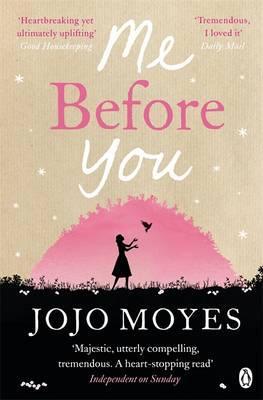
  6. Me Before You by Jojo Moyes

    1. I loved Me Before You, absolutely adored it and recommended it to everyone I knew, but to me it ended so well that I don’t need to continue reading the rest of the series. I’d be heartbroken if it didn’t live up to book one and disappointed me. Plus I read the first chapter of After You in a sampler and didn’t love it, so I decided to keep Me Before You as a standalone in my mind.

divider-green

Series I still plan to finish one day!

Half Bad by Sally Green Artemis Fowl

Cinder by Marissa Meyer Lyndsey's Book Blog The Cuckoo's Calling

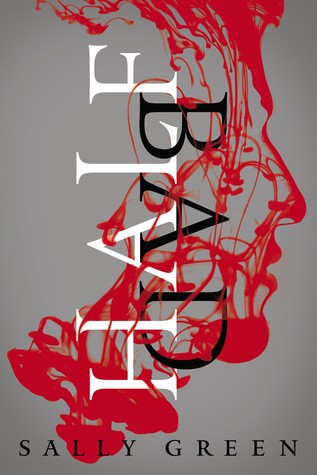
  1. Half Bad by Sally Green

    1. This is one of my absolute favourite series, and I can’t bear for it to end! I haven’t bought Half Lost yet because I’m saving it, I really want to know how the series concludes but I know I’ll have the worst book hangover when it ends. One day, Nathan, one day…
  2. Artemis Fowl by Eoin Colfer

    1. I loved every Artemis Fowl book I could get my hands on when I was in school. I’d go to the mobile library every month and grab the next one until I’d read them all. A few more have been released since then, but I’d moved onto other book series and left MG behind after school. I hope to read the rest one day, maybe when I’m reading with my son, I hope he’s a bookworm like me!
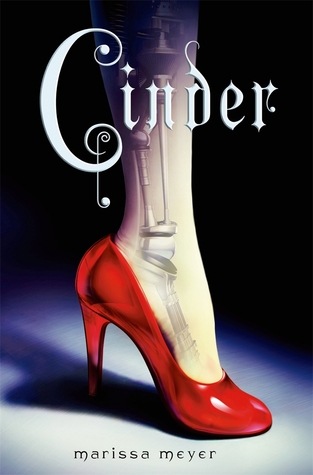
  3. Lunar Chronicles by Marissa Meyer

    1. I read Cinder last summer as part of a read-along with a Goodreads group, and I plan to continue the series soon, but I have a few books on my TBR before I pick up Scarlet and Cress.
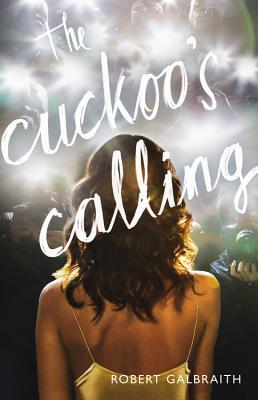
  4. Cormoran Strike by Robert Galbraith/J.K. Rowling

    1. I actually listened to the audiobook of Career of Evil before reading either of the two previous books, because it was on an Audible Daily Deal. I didn’t realise it wasn’t book one until afterwards. I’ve watched the BBC adaptations now, but I’d still love to read the actual books, as I adore Rowling’s writing, Harry Potter is my ultimate favourite book series, and I imagine the TV series missed out a lot of detail from the books.

divider-green

So there you have it, ten book series I’ve started and not finished for various reasons. Let me know if you’ve finished any of these series, were they worth the time investment? Would you recommend I keep reading? Tell me your thoughts!


Lyndsey

x

Writing business books

It’s been a while since I posted, blogging kind of fell by the wayside while I was pregnant and when my little one first arrived (we also moved house again when I was 38 weeks pregnant – the joys of military life!). Now Joseph’s two months old and I’m starting to get some me time back, so I’m getting back on the horse!

Today, I’m going to talk about something slightly different to the usual posts on this blog, and that’s writing non-fiction. Specifically, ghost writing business books.


If you’ve been around here for a while, you will probably already know that I write Young Adult Fantasy and am querying my first novel, as well as working on my second. What you may not know is that by day I’m a marketing manager for a small accounting firm. I create content for the business on a daily basis, researching different aspects of the industry and building on my knowledge base with every blog post and article I read and write, despite accountancy not being my area of expertise.

I studied languages at University and sort of fell into marketing in my early twenties, my employer put me through evening classes so I could train on the job and gain a couple of qualifications at the same time. Six years later, my day job and my passion are finally about to collide! When I come back from maternity leave, I’ll be writing three books for my employer on various business and accountancy related topics.


Ghosting

When you write for someone else, it can be difficult to accept that their name will be attached to your work and the only recognition you’ll receive is a pay cheque and a thank you (if you’re lucky). For the past five years I’ve written every blog post for my employer’s website, and none of them carry my name, so the assumption always seems to be that my boss writes them. I don’t mind, I deliberately alter the tone and register I use to suit the audience we’re targeting, so the posts don’t come across in my voice anyway. I’ll have to do the same thing when writing these books, and with my boss’s input during the editing process the voice will be even less mine and even more his.

Ghost writing can be a tricky area to negotiate when it comes to acknowledgement, it’s often assumed you’ll receive absolutely none, and even when it comes to your author bio or CV you can’t always list the projects you’ve worked on. It’s good etiquette to ask the client before divulging which books and written pieces you were responsible for, and sometimes they won’t permit you to share that information, especially if you ghost write for celebrities.

Writing business books Author Toolbox Blog Hop Lyndsey's Book Blog

Writing what you know

When I studied Translation at University, we were told that after completing the degree we’d probably need to work in industry for a few years before anyone would give us paid translation work. We could join a translation agency and pick up general pieces of work, but if we wanted to translate specialist medical, legal or technical documents then we’d need the experience in that industry in order to perfect our vocabulary, etc.

It’s the same with writing for business, you’ll need some experience in the industry, whether that be working in it or writing on it for a few years. With all the world’s information at your fingertips, it’s possible to become an expert on almost any topic nowadays, and setting up your own blog is as easy as deciding on a name and choosing a WordPress template. If you want to write for business one day, I’d recommend starting there. Learn about your chosen industry and start creating engaging content on your own blog, and eventually you’ll be ready to start approaching businesses for paid work.

In my case, I’ve got plenty of resources I can use to build a foundation for my books, as I’m basing them on three of the most common subjects my boss speaks about at events. I’ve got slideshow presentations on each topic, as well as a wealth of blog posts I can mine, and of course the many articles, blogs and books by other people on the subject. Just be mindful of plagiarism, you can take elements of another author’s work as inspiration, but taking chunks of their writing wholesale, or stealing the core message of their book, is a major no-no – as with fiction writing.


Formatting for business books

The standards for business books vary depending on the content, as with all books, but there were a few accepted norms that I came across during my research while I was preparing my proposal to my boss.

The word count is usually around 20-40k words (longer if the author is a well known business owner, like Richard Branson), chapters are short with lots of bold headings and subheadings. There are often diagrams and images, so the book may seem long but is usually a quick read as it’s easier to digest small chunks of information and remember pithy phrases and simple diagrams. The text is often larger too, so a 250 page business book will be a much quicker read than a novel of the same length.

Formatting specifics, such as margins and line spacing, will vary depending on how and where you choose to publish. Which brings me to…


Publishing your business books

It is possible to have your business books published traditionally, and there are lots of agents and publishing houses who specialise in this type of book, but the majority of traditionally published business books are written by well known entrepreneurs and celebrities, as these are almost guaranteed to sell. Most business owners who choose to write their own books opt to self publish, either as a digital only e-book or a small, self funded print run to give away at speaking engagements and sell on the company website.

It’s possible to self publish on Amazon Kindle, which is probably where I’ll upload the digital version of my business books. I’ve also been in contact with a local media company who we regularly work with for magazine features, as they have their own book publishing department, like a small vanity press. I’m not yet sure how much to expect to pay per copy, but we’ll be looking to print slim paperbacks to give away at events, rather than selling the physical copies, so there’s no expectation of making our money back on the print run. Hopefully the e-book will make a little money, but the books are intended to bring in new clients to the business, rather than paying for themselves or generating a profit on their own.


Are you a fan of non-fiction, business books? They’re a completely different kettle of fish to fiction novels, but I’m hoping that the process of researching and writing these books will only improve my skills when I sit down to write my next novel. I hope this little insight into writing business books has been interesting and useful, and maybe even given you a few tips.

See you next time!

Lyndsey

x